Arts Alive is the learning and engagement hub at Canada’s National Arts Centre, where theatre, dance, and music come alive. We invite you to check out our performances for families and schools, workshops for students, professional development events, free resources for educators and teaching artists, and more, both virtual and in-person. We’re so glad you’re here – the stage is yours!
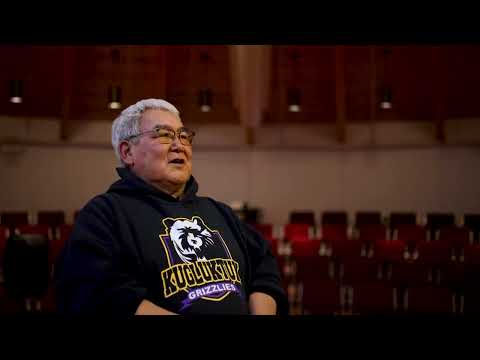
Join orchestras, musicians, activists, and scientists from coast to coast on a musical journey. This free video-on-demand learning series…Join orchestras, musicians, activists, and scientists from…Join orchestras, musicians, activists, and scientists from coast to coast on a musical journey. This free video-on-demand learning series explores the transformative power of music and art in the climate emergency.
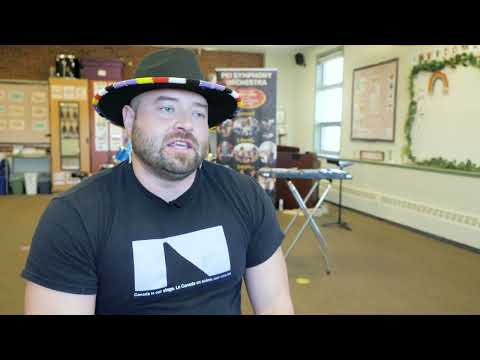
Play it forward! A bold and innovative professional development initiative for talented emerging and early career professional orchestral…Play it forward! A bold and innovative professional…Play it forward! A bold and innovative professional development initiative for talented emerging and early career professional orchestral creatives from around the world.
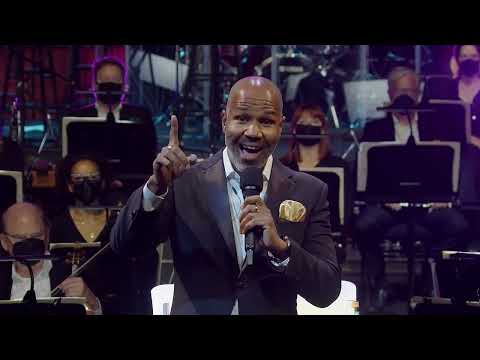
Give your classroom a front-row seat to our video-on-demand learning series about the evolution of Jamaica’s most famous export: Reggae…Give your classroom a front-row seat to our video-on-demand…Give your classroom a front-row seat to our video-on-demand learning series about the evolution of Jamaica’s most famous export: Reggae music.
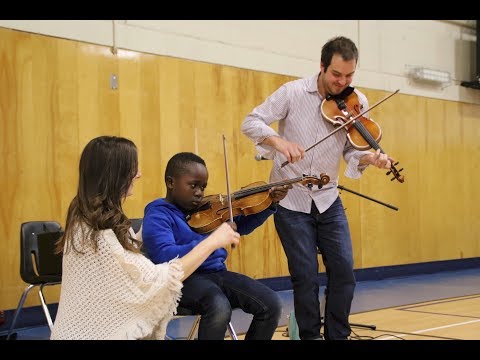
Enjoy encore performances, exclusive interviews and special series captured on-stage, backstage and beyond. Enjoy encore performances, exclusive interviews and special series…Enjoy encore performances, exclusive interviews and special series captured on-stage, backstage and beyond.
Power your arts obsession with exclusive interviews, insights and artistic explorations of music, theatre and dance. Power your arts obsession with exclusive interviews, insights…Power your arts obsession with exclusive interviews, insights and artistic explorations of music, theatre and dance.
Explore the NAC’s free performing arts resources for teachers, students, families and the public, including curriculum guides, podcasts,…Explore the NAC’s free performing arts resources for…Explore the NAC’s free performing arts resources for teachers, students, families and the public, including curriculum guides, podcasts, videos, articles and more.
Your donations through the NAC's National Youth and Education Trust help the NAC provide learning and engagement opportunities for all — from young children in the classroom, to artists, to the lifelong learner.
Learning and engagement at Canada’s National Arts Centre is made possible through the support of many generous individuals and organizations from across the country. Arts Alive is generously supported by the Azrieli Foundation, the Government of Nunavut, Canadian North, Calm Air, The River Philip Foundation, The Turnbull Family Community Building Foundation, and The Thomas Sill Foundation. Thank you also to Grant and Alice Burton, Canada Life, A Donor-Advised Fund at the Community Foundation of Ottawa, Friends of the NAC Orchestra, Donors to the NAC Foundation's Future Fund, The Janice and Earle O’Born Fund for Artistic Excellence, and the donors and sponsors of the NAC’s National Youth and Education Trust, the primary resource for youth and education funding at the National Arts Centre.
__large.jpg)


 Workshop
Free
Francophone
Theatre
Youth
Workshop
Free
Francophone
Theatre
Youth
 Residency
Workshop
Free
Francophone
Music
Theatre
Residency
Workshop
Free
Francophone
Music
Theatre